All Categories
Featured


Securing Efficiency Automobiles through Certified PDR
Table of Contents
- – Modern Standards for Fleet Asset Preservation
- – Metallurgical Advances and Repair Complexity i...
- – The Role of Specialized Services in Value Ret...
- – Logistical Efficiency and On-Site Fleet Solutions
- – Integrated Scanning and Predictive Maintenance
- – Technical Precision in the Finishing Stages
- – The Financial Rationale for Precise Exterior Care


Modern Standards for Fleet Asset Preservation
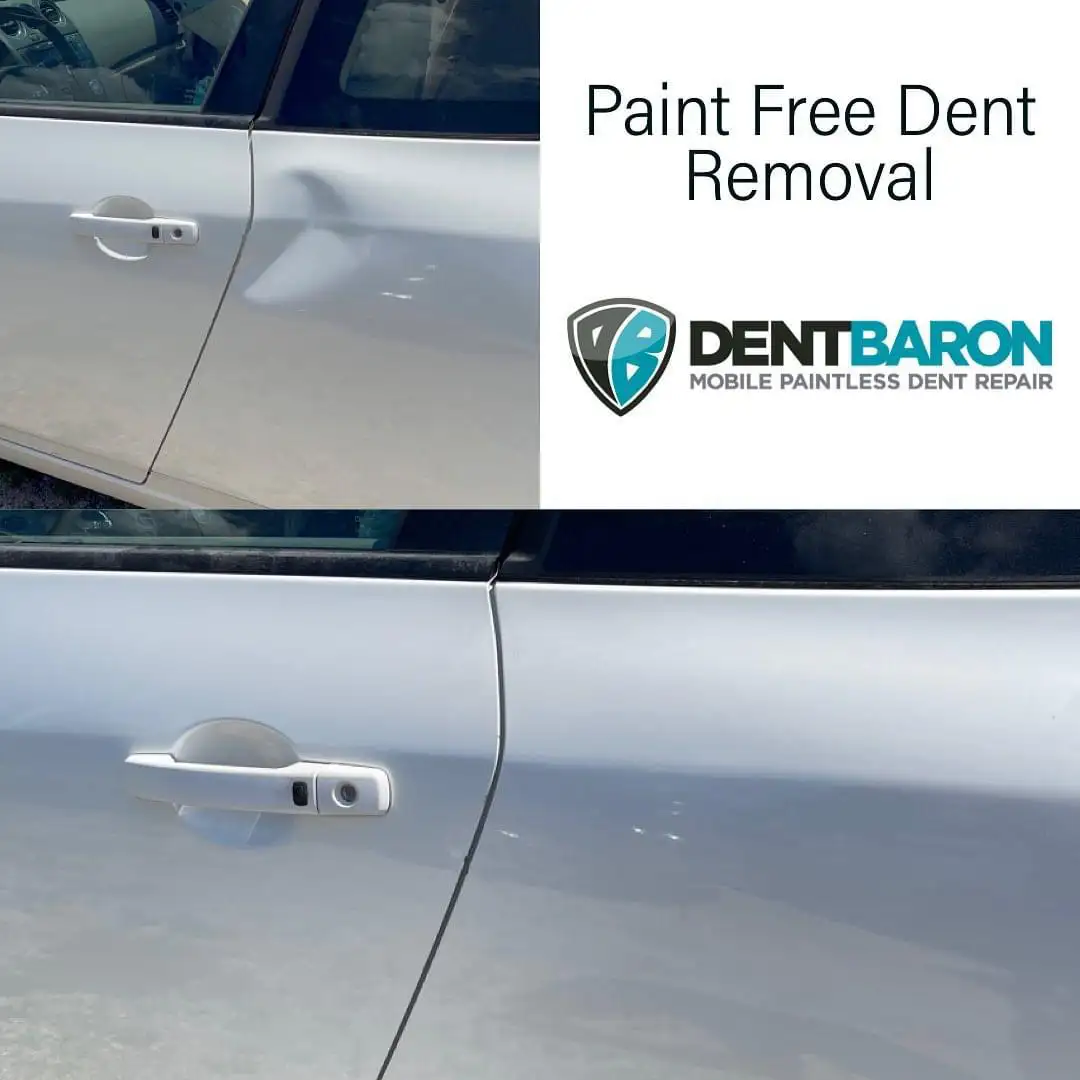
Managing a corporate fleet in 2026 requires a move away from the reactive repair models of the past. As vehicle technology has progressed, the physical exterior of a fleet has become more than just a brand billboard. It is now a protective shell for a complex array of sensors and high-tensile materials that define a vehicle's resale value. In Clayton, fleet managers are increasingly focusing on technical precision to keep their assets in peak condition. The cost of a single dent is no longer just the price of the metalwork. It includes the potential for sensor misalignment and the significant drop in residual value that occurs when factory paint is compromised.
Maintaining the original finish is the priority for any enterprise-level operation. When a vehicle undergoes traditional bodywork involving fillers and repainting, it is often flagged during digital inspections at the time of resale. Modern appraisal algorithms used by large-scale auction houses in 2026 can detect non-factory paint thickness within microns. This makes paintless dent repair (PDR) the preferred method for corporate vehicle upkeep because it maintains the integrity of the original clear coat. By using specialized tools to massage the metal back into its original shape from behind the panel, technicians ensure the vehicle remains in its "factory-fresh" state, which is a key metric for fleet longevity.
Metallurgical Advances and Repair Complexity in 2026
The vehicles manufactured for the 2026 model year feature a diverse mix of materials designed for both safety and weight reduction. We see more aluminum alloys, carbon fiber composites, and ultra-high-strength steels in everyday fleet vehicles than ever before. These materials have distinct "memory" properties. Aluminum, for instance, is less malleable than traditional mild steel and requires specific heat-induction techniques to manipulate without cracking the paint. For those managing operations in Clayton, finding technicians who understand these metallurgical properties is a requirement rather than a luxury.
Effective asset management often hinges on how these technical repairs are integrated into the broader maintenance schedule. Organizations that place high importance on Side Panel Restoration find that maintaining original factory paint is the single most effective way to avoid depreciation penalties at the lease end. Because modern PDR does not involve sanding or chemical bonding agents, the structural integrity of the panel remains intact. This is particularly relevant for electric vehicles (EVs) where battery weight puts additional stress on the chassis, making any traditional structural repair more complex and expensive.
The Role of Specialized Services in Value Retention
The financial impact of minor collision damage is often underestimated by smaller operators, but enterprise leaders recognize that even a three percent drop in resale value across a thousand-vehicle fleet represents a massive loss. This awareness has driven the growth of specialized on-site repair models. Advanced Door Panel PDR ensures that minor dings and creases are addressed before they can lead to rust or further paint degradation. In the current 2026 market, a proactive approach to exterior maintenance serves as a hedge against the volatility of used vehicle pricing.
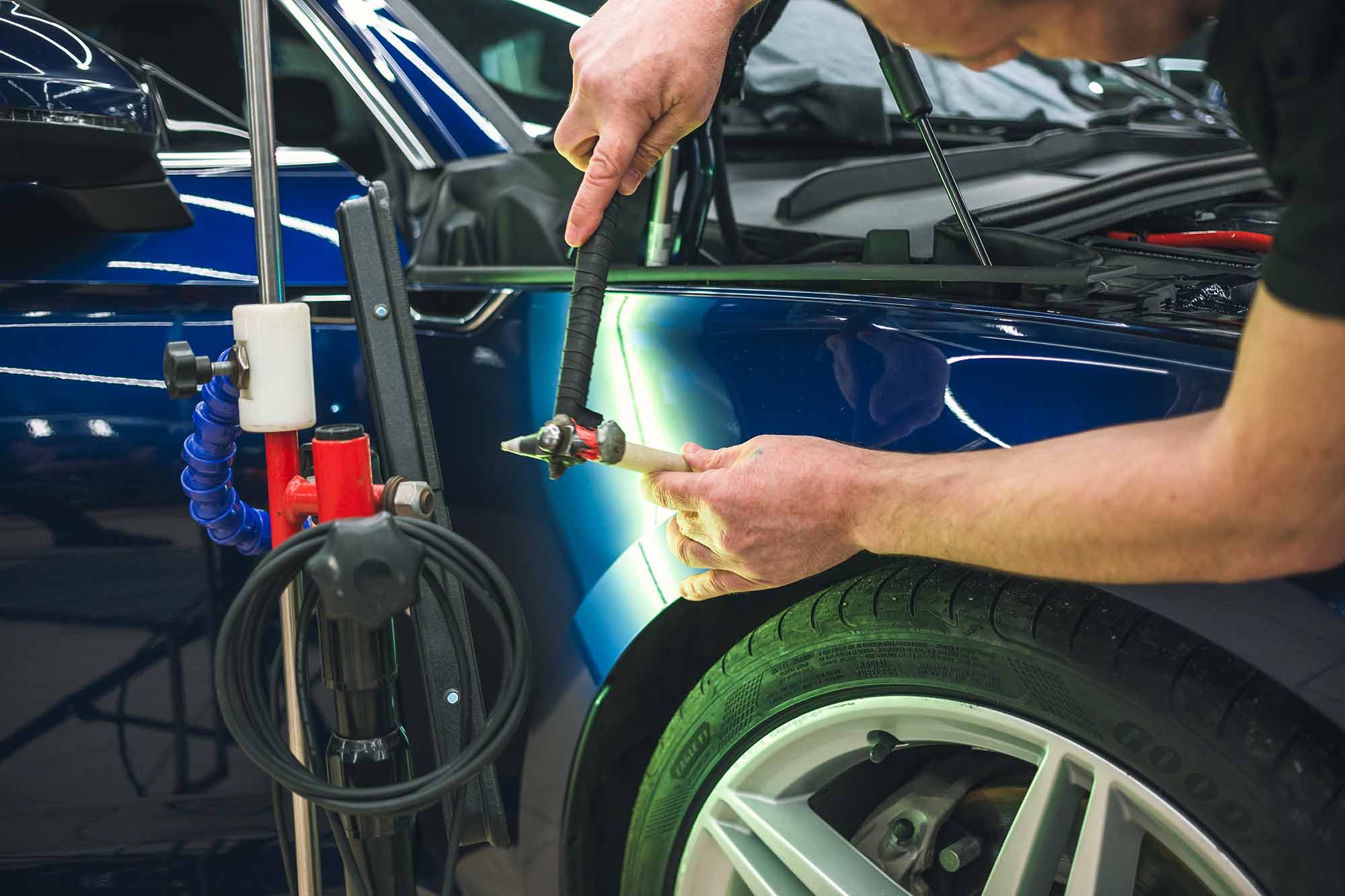
Technicians now use high-definition light boards that project specific grid patterns onto a vehicle's surface. These patterns reveal even the slightest deviations in the metal, allowing for a level of precision that was unavailable a decade ago. This process is particularly useful for professional dent restoration because it allows for a "clean" repair that is invisible even to automated inspection scanners. When the grid lines remain perfectly parallel across a repaired area, the technician knows the panel has returned to its original geometry.
Logistical Efficiency and On-Site Fleet Solutions
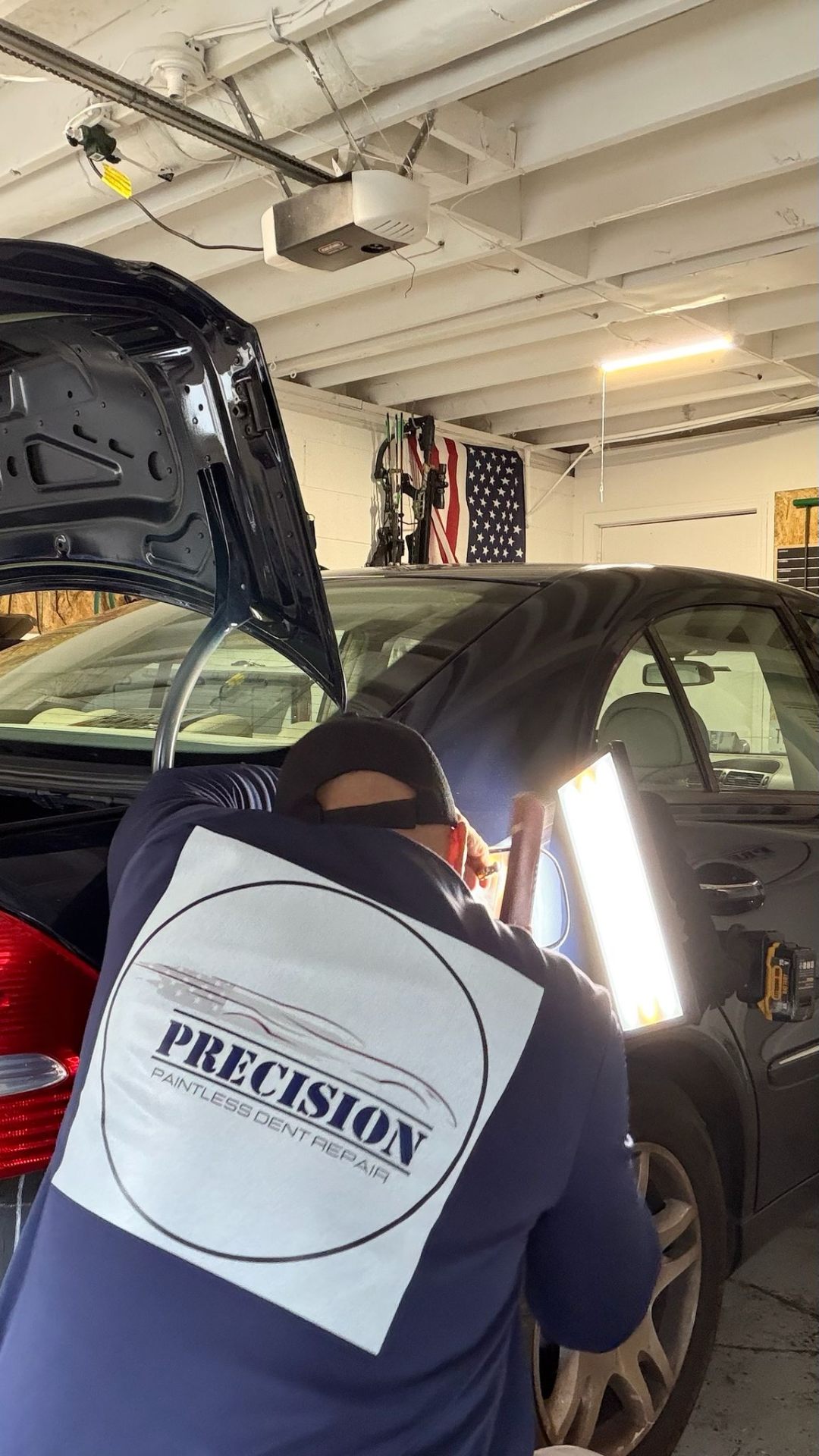
In 2026, downtime is the enemy of profitability. A vehicle sitting in a body shop for a week is a vehicle that isn't generating revenue. The enterprise sector has largely moved toward mobile repair stations that can be deployed directly to fleet yards or distribution centers in Clayton. These mobile units are equipped with portable induction heaters and glue-pulling systems that allow for high-quality repairs without the need for a dedicated paint booth.
This shift toward mobile, paint-free solutions has changed the way insurance claims are handled for large fleets. Many insurers now offer lower premiums for fleets that utilize PDR as their primary repair method for non-collision damage. The lack of hazardous waste from paint and fillers also helps companies meet their 2026 sustainability targets. Fleet controllers looking for Side Panel Restoration in CA often prioritize partners who can provide detailed digital documentation of each repair. This documentation is then added to the vehicle's digital twin, providing a transparent history for future buyers and ensuring that the maintenance record is as flawless as the vehicle's exterior.
Integrated Scanning and Predictive Maintenance
The integration of computer vision in fleet yards has made dent detection almost instantaneous. As a vehicle enters a facility in Clayton, overhead cameras scan the bodywork for any new damage. This data is instantly compared to the previous scan, and a work order is generated automatically. This level of oversight ensures that no damage goes unrecorded, which is essential for holding drivers or third-party contractors accountable.
These automated systems also help in prioritizing repairs based on the vehicle's upcoming schedule. If a vehicle is slated for a high-profile client delivery or is nearing the end of its service life, the repair can be expedited to ensure it meets the necessary aesthetic and functional standards. The data collected from these scans also helps fleet managers identify patterns. For example, if vehicles from a specific warehouse consistently return with rear-quarter panel damage, the manager can investigate whether the loading bay layout or driver training needs adjustment.
Technical Precision in the Finishing Stages
The final stage of any 2026 repair involves more than just a visual check. Technicians often use ultrasonic gauges to verify that the metal thickness and paint tension are uniform across the panel. In a professional panel correction environment, this ensures that the repair will hold up under extreme weather conditions and high-speed vibrations. Heat cycles and cold snaps can cause poorly executed repairs to "pop" or reveal sink marks if fillers were used. By sticking to purely mechanical PDR techniques, fleet managers avoid these long-term headaches.
The emphasis on technical precision reflects a broader 2026 trend toward data-backed maintenance. Every action taken on a vehicle must be justifiable through the lens of asset preservation. When a technician removes a dent without compromising the factory finish, they are performing a financial service as much as a mechanical one. They are protecting the equity the company has in that vehicle.
The Financial Rationale for Precise Exterior Care
As we look at the fleet environment in 2026, it is clear that the divide between "running a fleet" and "managing a portfolio of assets" has narrowed. The vehicle's exterior is the first thing a buyer or an inspector sees, and in the high-stakes world of enterprise logistics, first impressions are tied directly to the balance sheet. By utilizing advanced dent removal techniques, companies are able to keep their fleets looking pristine while simultaneously lowering their total cost of ownership.
The reliance on Clayton who can meet these enterprise standards is a hallmark of a successful 2026 fleet strategy. It requires a partnership built on a shared understanding of metallurgy, digital record-keeping, and the relentless pursuit of perfection. As vehicles continue to evolve, the tools and techniques used to maintain them must keep pace. The current standard is one of zero-compromise, where the goal is not just to fix a dent, but to erase it from the vehicle's history entirely. This level of precision is what defines the leaders in fleet management today.

Table of Contents
- – Modern Standards for Fleet Asset Preservation
- – Metallurgical Advances and Repair Complexity i...
- – The Role of Specialized Services in Value Ret...
- – Logistical Efficiency and On-Site Fleet Solutions
- – Integrated Scanning and Predictive Maintenance
- – Technical Precision in the Finishing Stages
- – The Financial Rationale for Precise Exterior Care
Latest Posts
How Martinez Agencies Optimize Large-Scale Fleet Repair Works

How Precision PDR Improves Fleet Equity

Business Fleet Strategies for Jeep Dent Removal In Contra Costa Ca Success
Latest Posts
How Martinez Agencies Optimize Large-Scale Fleet Repair Works
How Precision PDR Improves Fleet Equity
Business Fleet Strategies for Jeep Dent Removal In Contra Costa Ca Success